A West Side Detroit Club Organized by Polish Americans in 1941
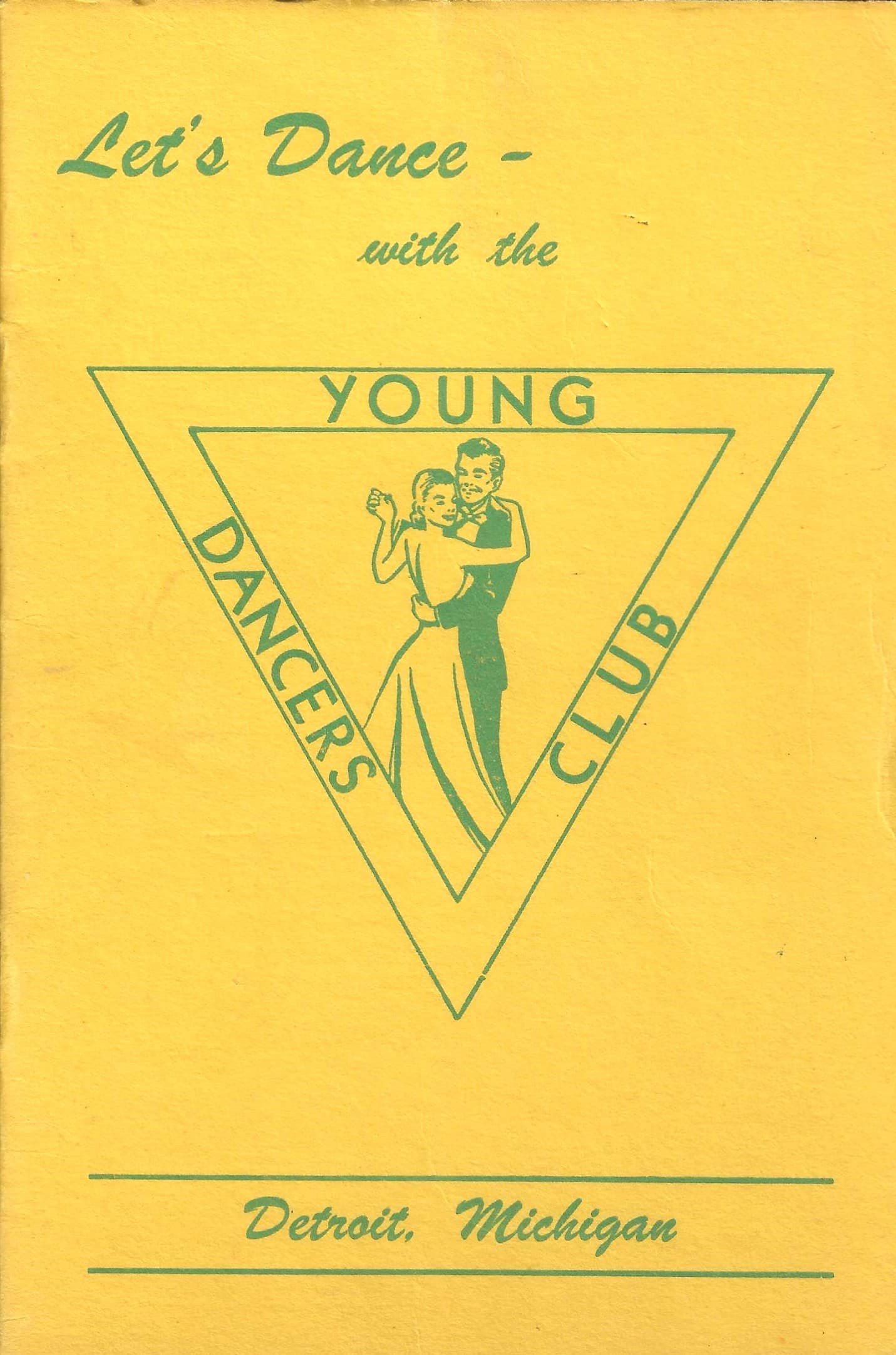
On Detroit’s west side in 1941, a group of young, enthusiastic Polish friends with a common interest decided to form a club. They called themselves the Young Dancers Club. Most of them attended St. Hedwig Catholic Church at 3245 Junction Street, south of Michigan Avenue, in the heart of Detroit’s Polish American community.
St. Hedwig was the West Side Detroit Polish American Historical Society’s original headquarters and where the Society was founded in 2006.
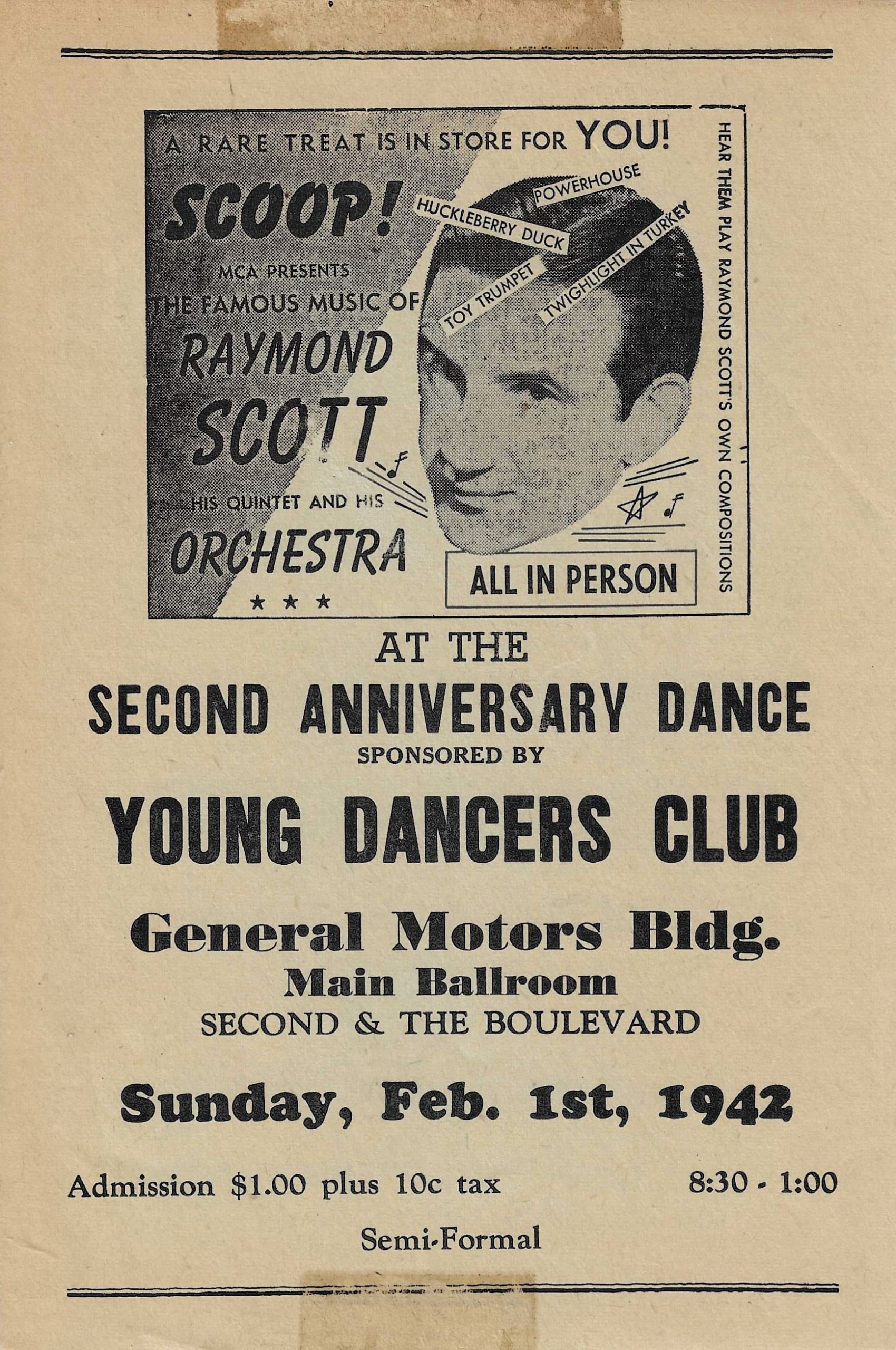
According to an unidentified newspaper clipping, in 1942, the club’s officers were Edward Lecznar, president; Edward Zajac, vice president; Cass Grysiewicz, secretary; Emil Turek, treasurer; Steve Kowalski, business manager; Ted Forfinski and Walter Prusak, publicity managers; Edward Kuczynski, sergeant-of-arms; and Joe Lecznar, Ted Zajac and Emil Turek, trustees. The article stated that the club was in the process of planning a dance for April 18 of that year. However, a second anniversary dance was held on February 1 in the Main Ballroom of the General Motors Building.
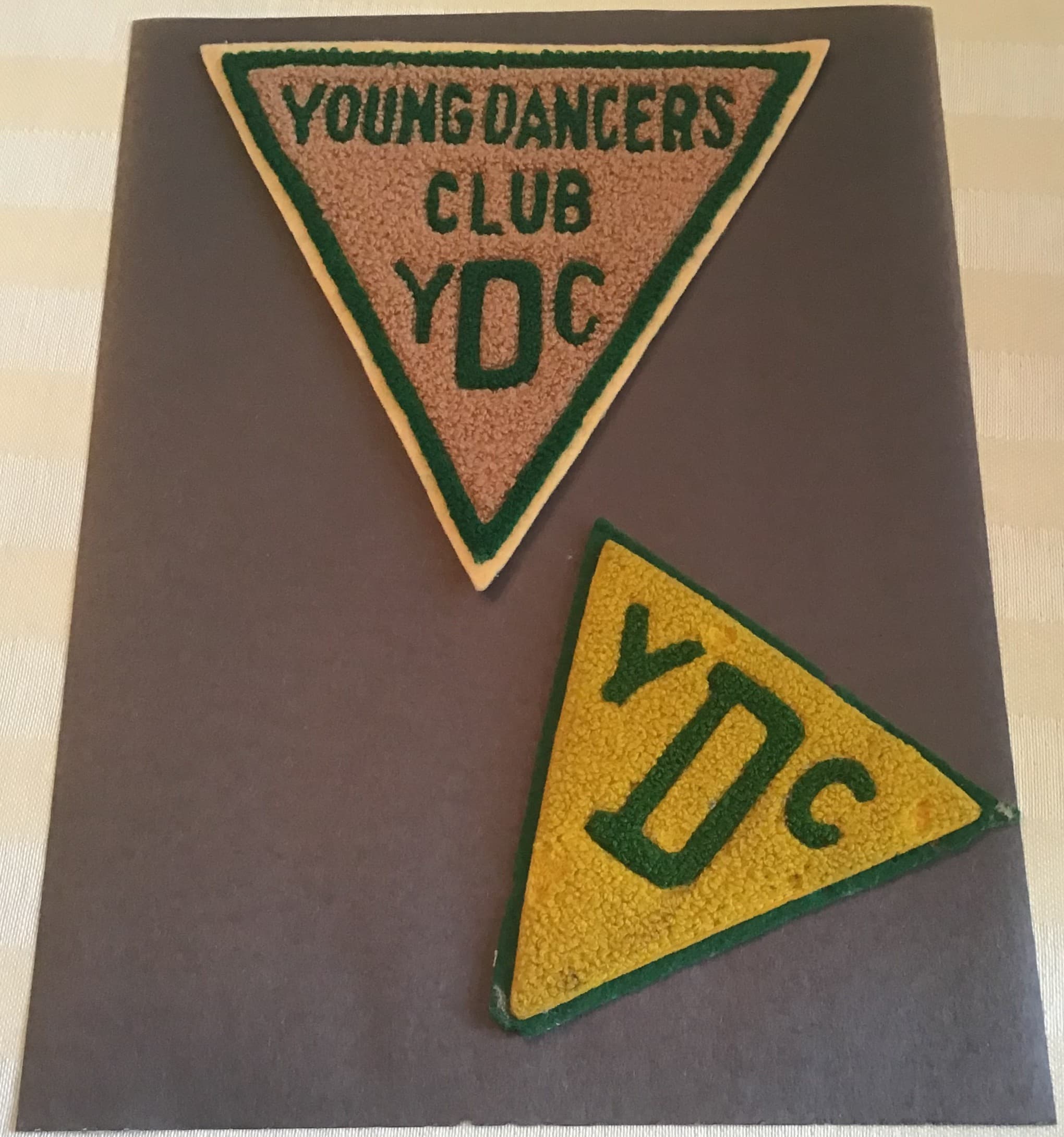
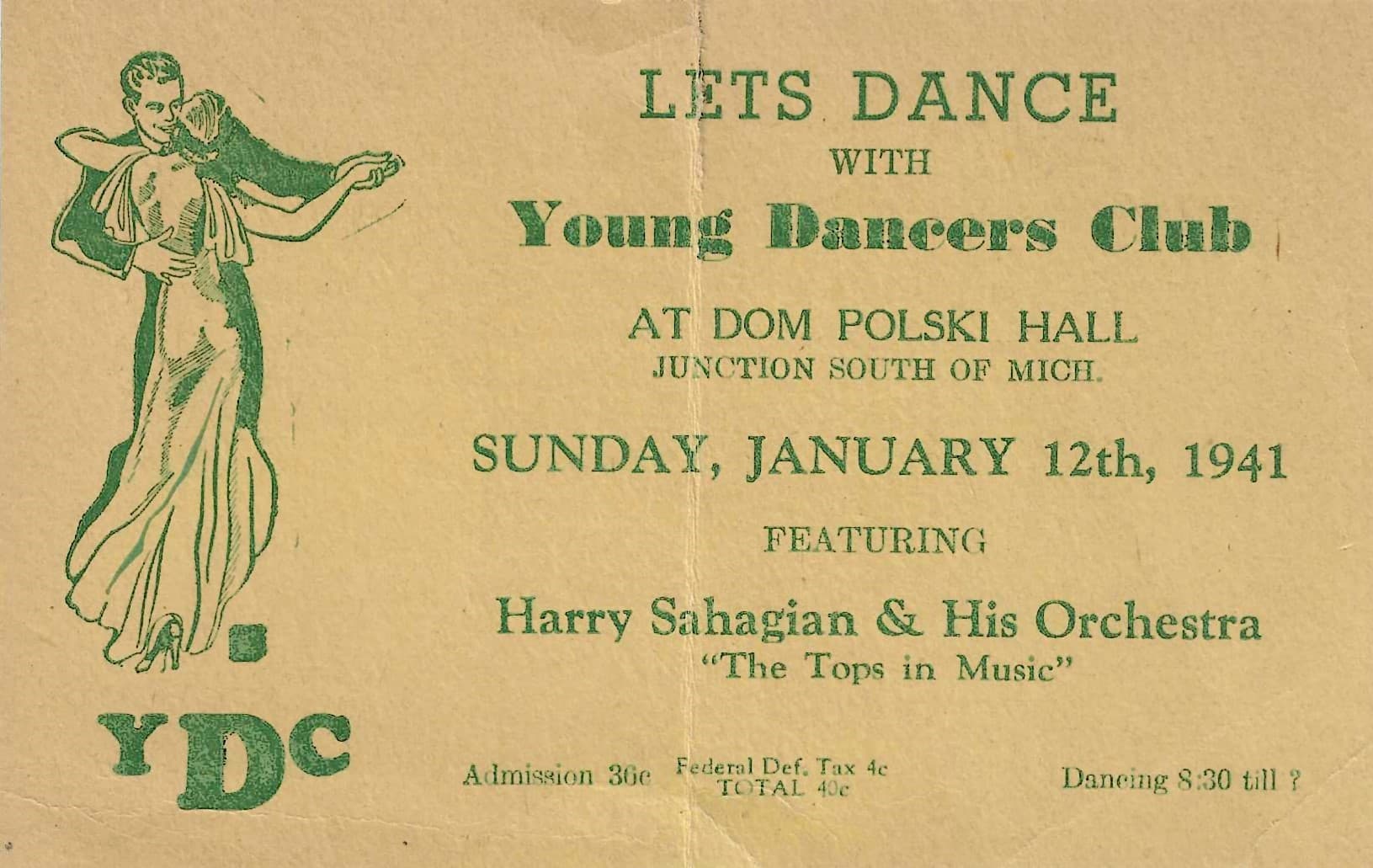
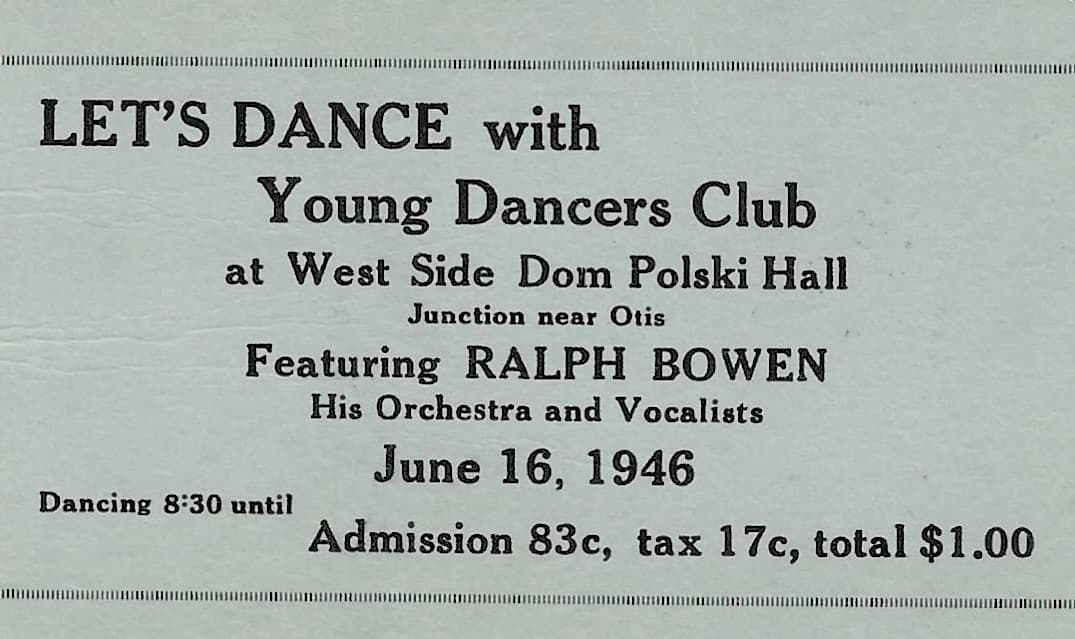
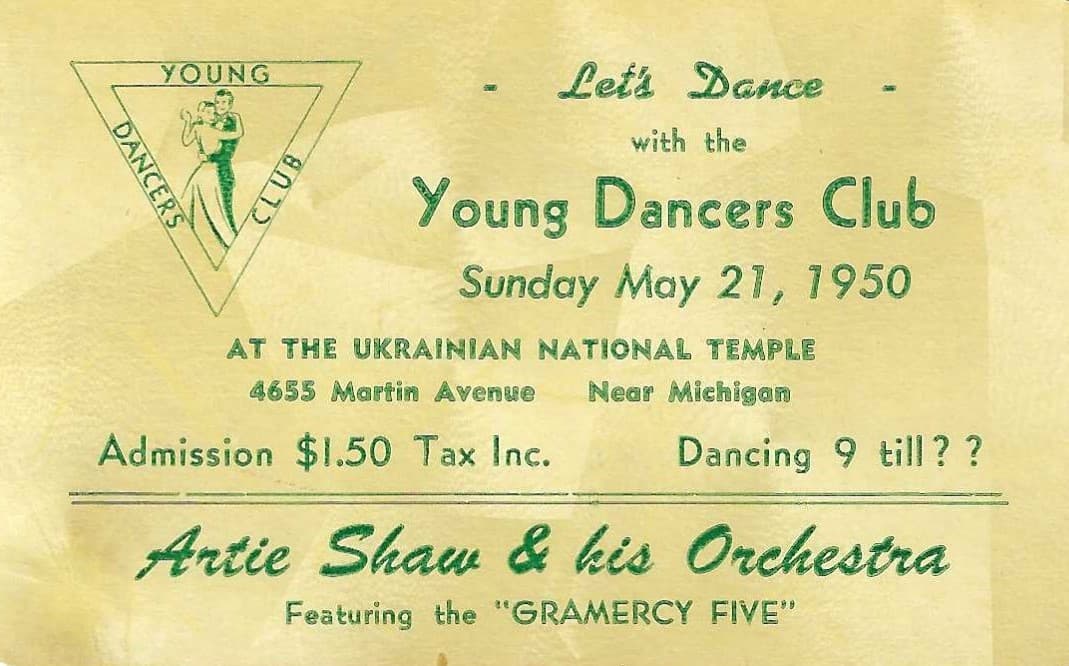
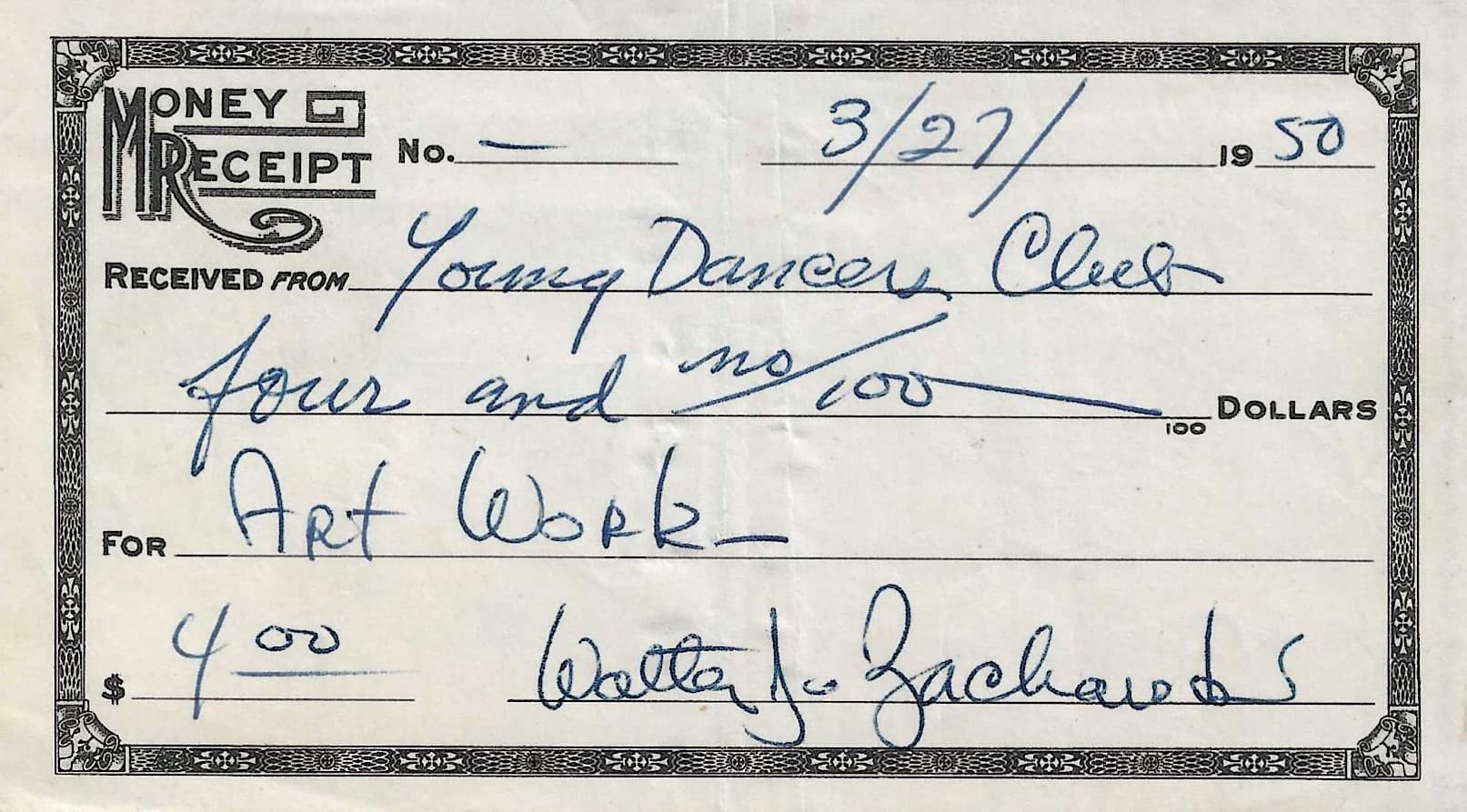
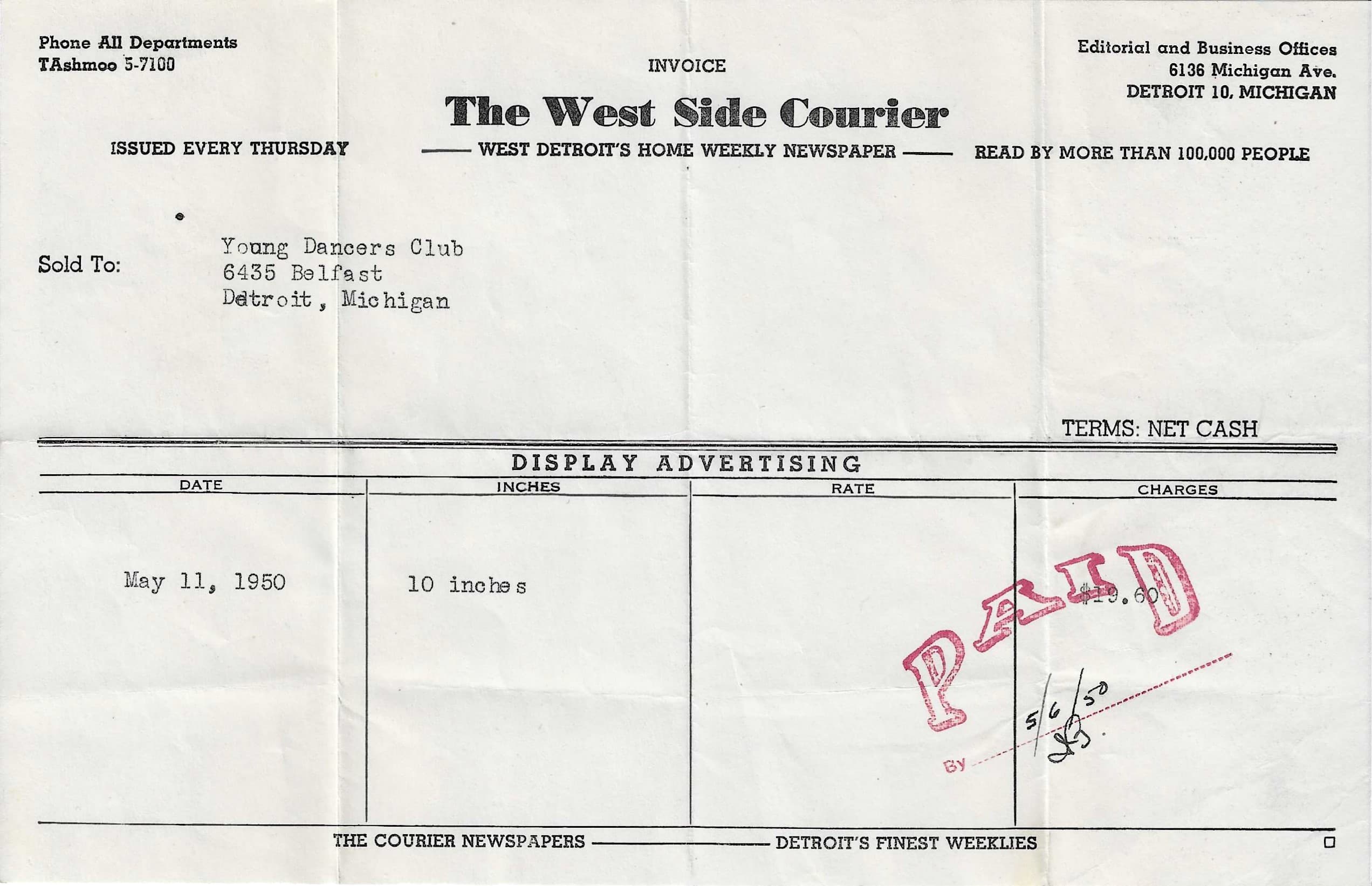
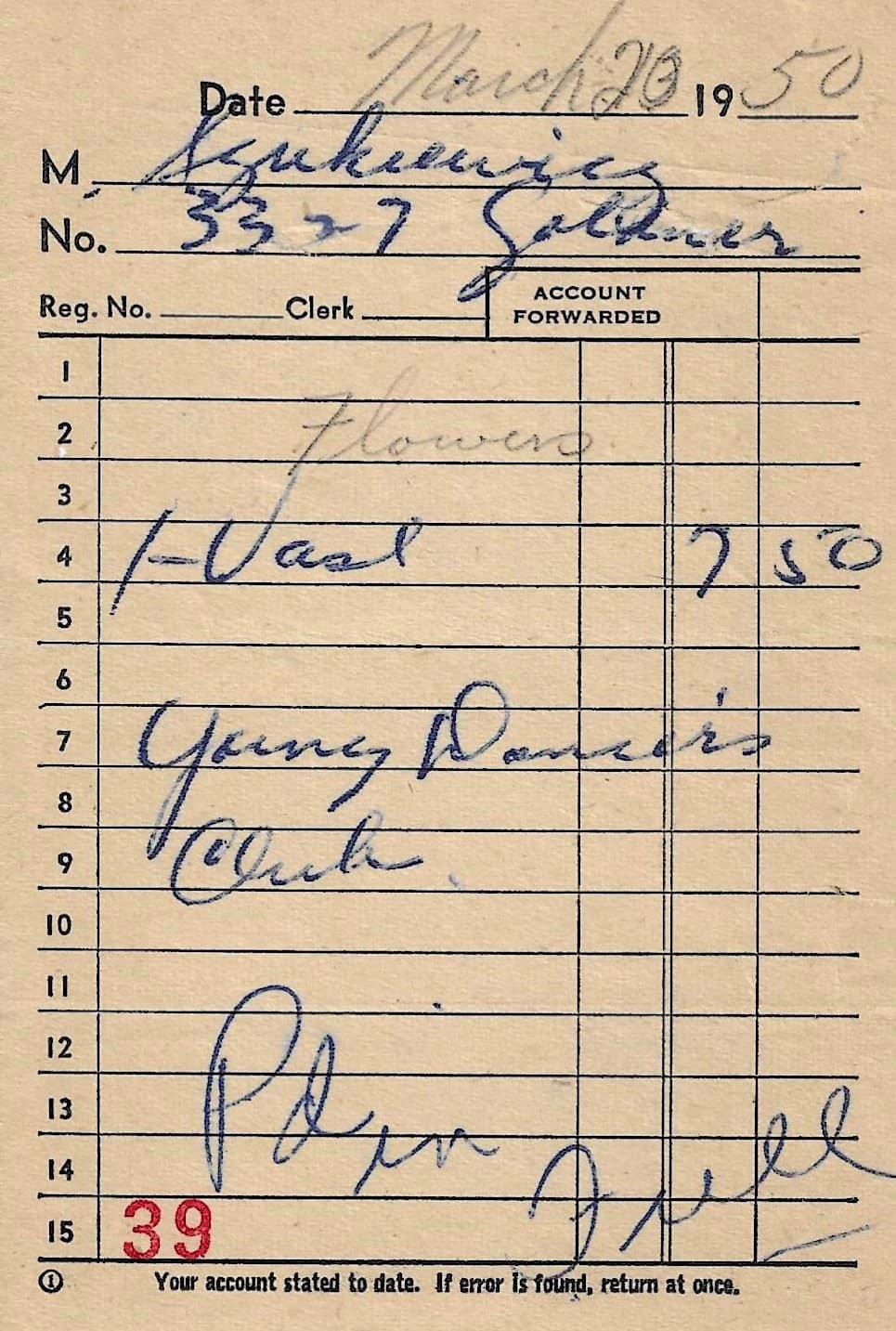
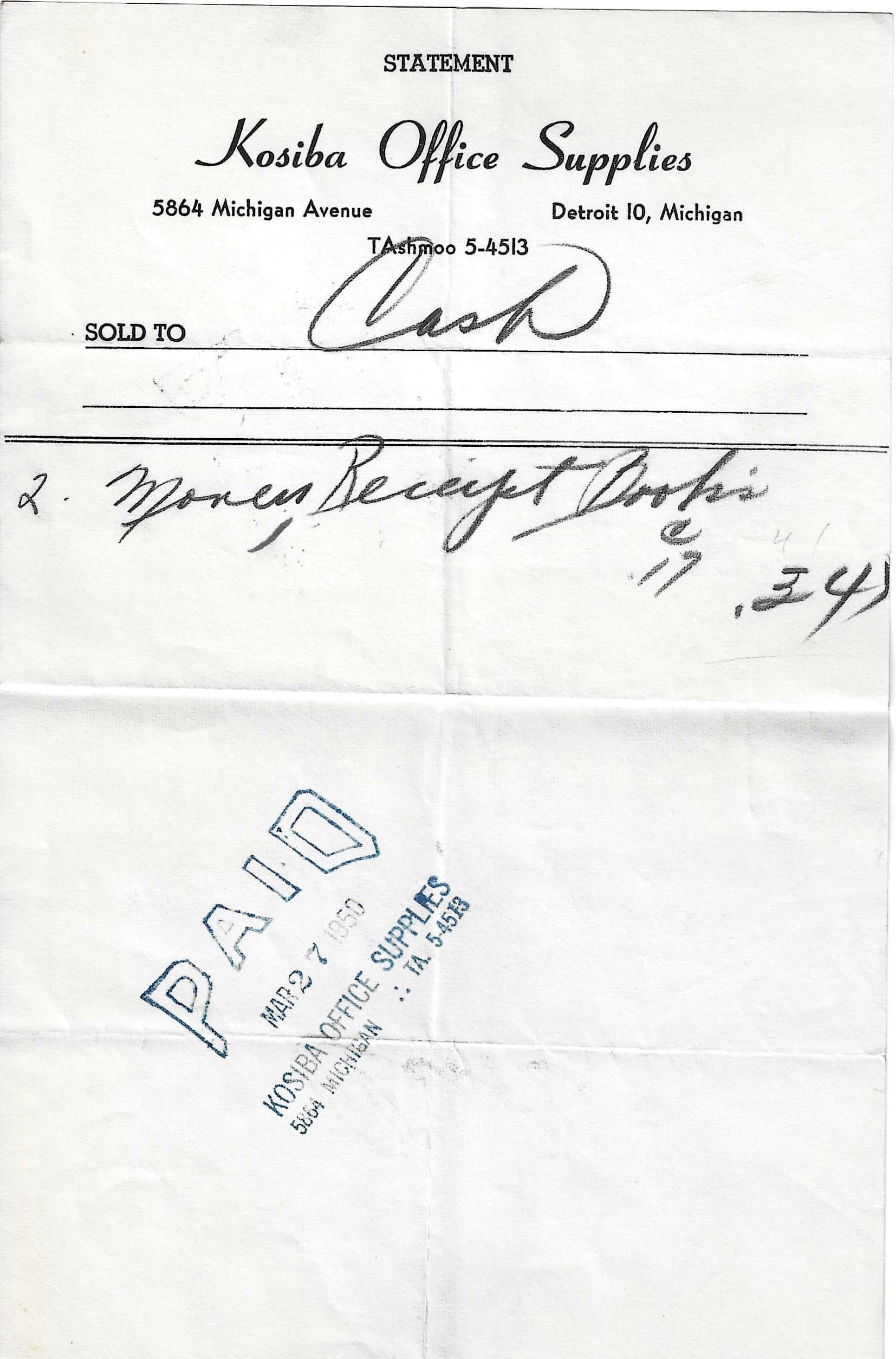
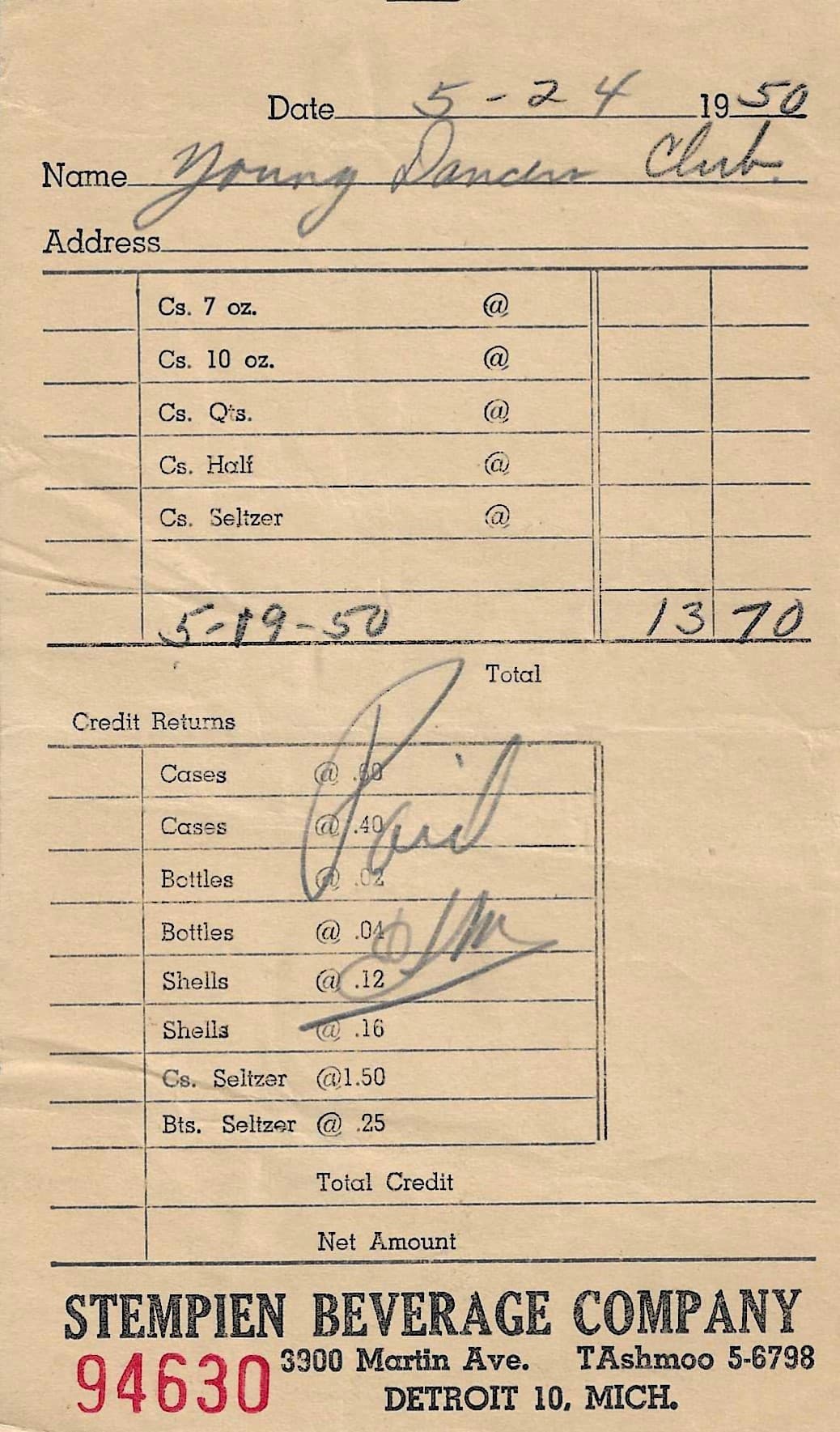
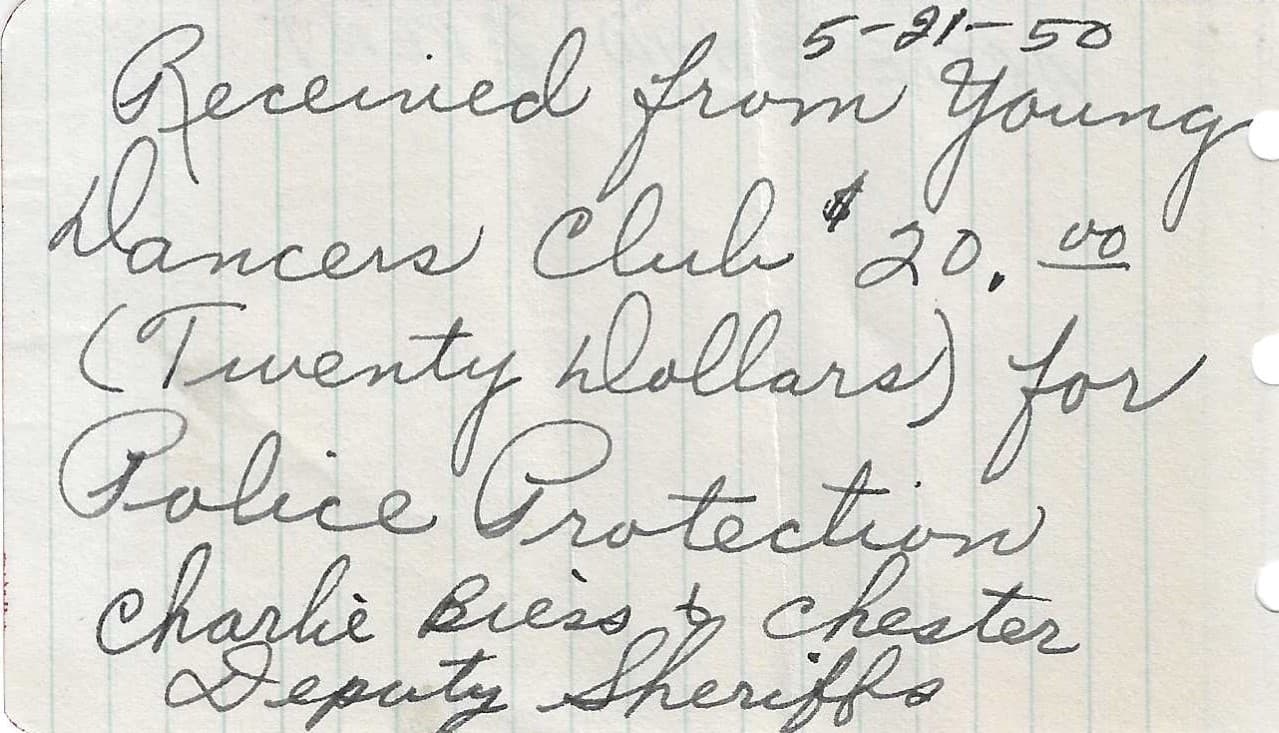
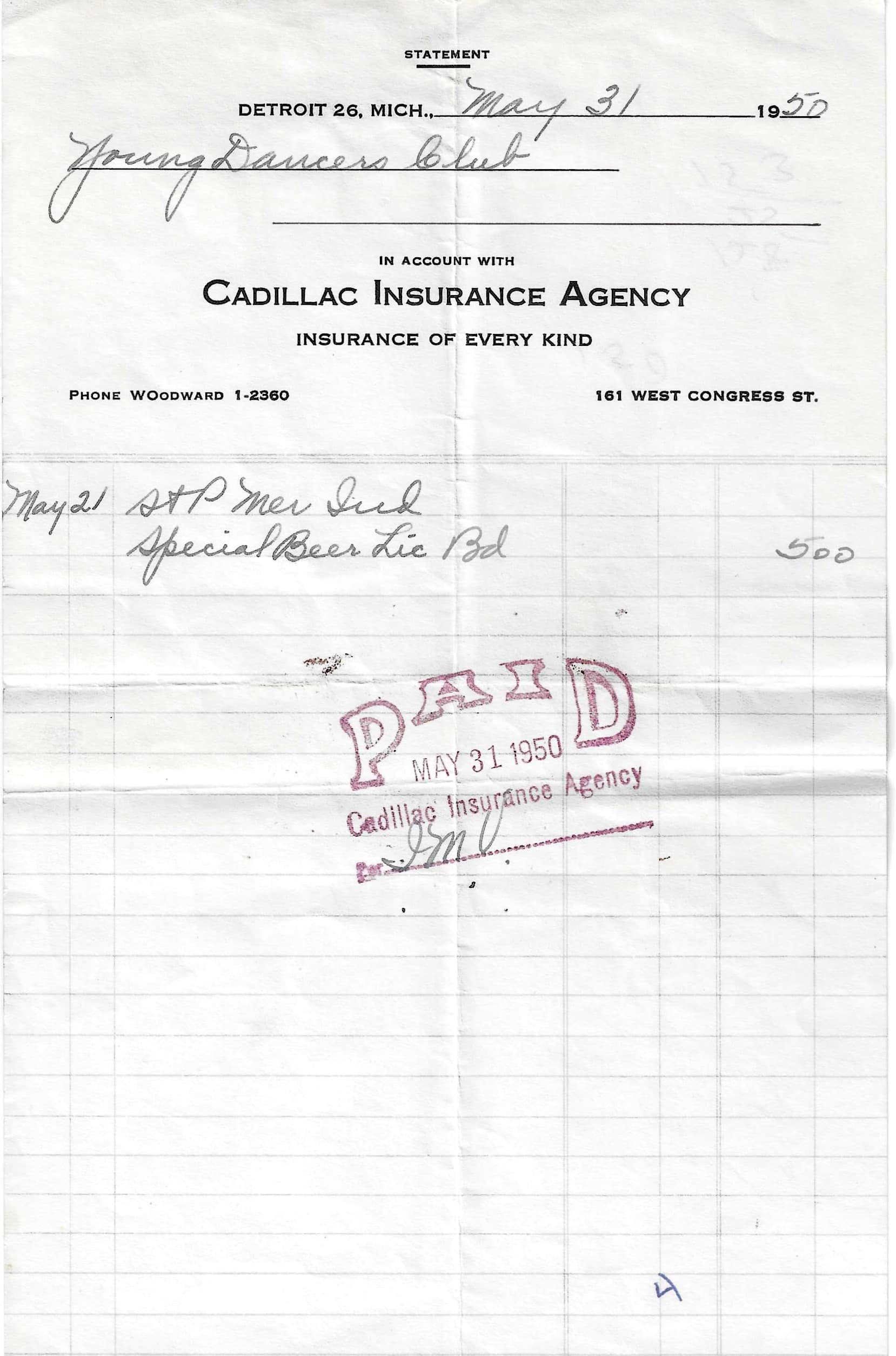
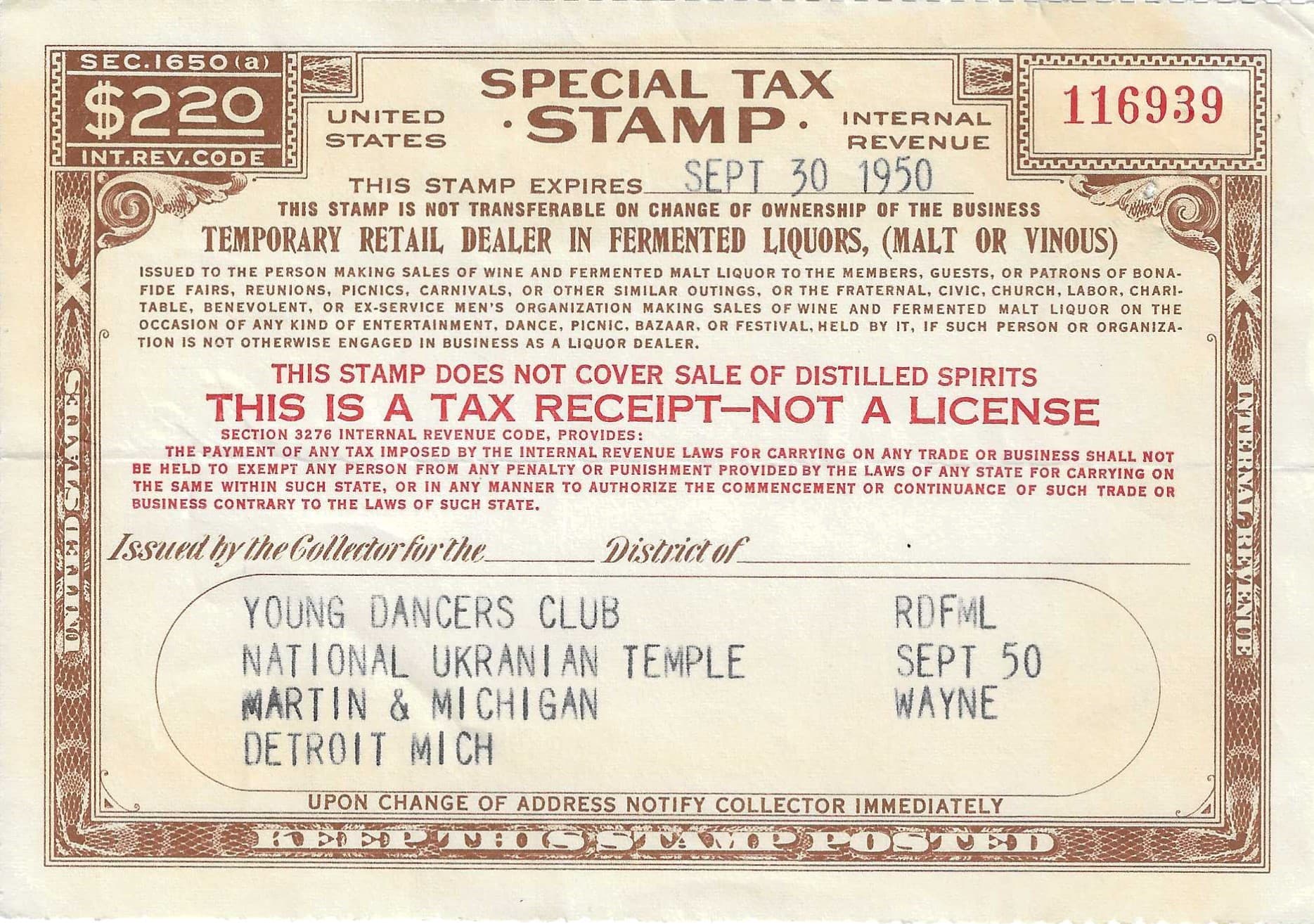
The club planned numerous dances throughout the years. They held dances at such west side venues as the Dom Polski and the Ukrainian National Temple at 4655 Martin, just north of Michigan Avenue. They were an extremely professional and sophisticated organization. The club printed tickets and program books at local printing companies. They bought flower vases, applied for liquor licenses, and purchased liquor, beer, and wine. Ads were placed in newspapers such as the West Side Courier, and they procured insurance. They paid for police protection for their dances, and they even had their own logo, which they had imprinted on a rubber stamp and on the covers of their dance programs. They also had sweater patches that bore their logo, which were sewn onto dark green sweaters that were worn by the club’s officers.
The club officers hired musicians for the dances that were held. Sometimes, they entered into contracts with talent agencies such as Delbridge & Gorrell, which was a very popular entertainment agency in Detroit in the 1930s, ‘40s and ‘50s. Some of the orchestras that the club hired were Eddie Marshall & Orchestra, Johnny Bernard & Orchestra, Ralph Bowen and His Orchestra and Vocalists, and the Leroy Smith Orchestra.
Ralph Bowen was a very popular band leader in Detroit at the time. He had a very large touring orchestra. While he was not of Polish American descent, Bowen utilized the talents of many west side Detroit Polish American musicians. Polish American musicians at the time were accustomed to performing not only in polka bands, but also in jazz and popular orchestras.
Prior to and during the war years, Ted Gomulka performed as a sideman with such big band leaders as the creative drummer Fred Daye, Johnny Werner, Eddie Duke, Dick Thomas, Fred Netting, and Henry Biagini. It was during that time that he also performed in clubs and ballrooms around the Detroit area and toured with Ralph Bowen’s big band.
West side Polish American trumpeter Ted (Gorczyca) Gordon was represented by Delbridge & Gorrell, operated by Ralph (“Del”) Delbridge and Raymond Ralph (“Ray”) Gorrell. Ted’s affiliation with the talent agency launched him into a multi-decade career in theater work, where he performed alongside Ted Gomulka’s youngest brother, trumpeter Wally Gomulka. The two would back up hundreds of stars throughout the years, including Perry Como, Ella Fitzgerald, Eydie Gorme, Liberace, Dean Martin, Frank Sinatra, Sammy Davis Jr., and Diana Ross, to name just a few, when the stars performed in Detroit’s theaters.
Del Delbridge was a former touring big band leader, in whose band Irene (Urcheck) sang vocals. Irene would become Ted Gordon’s wife.
On January 11, 1937, then-13-year-old Staś Wiśniach received a Western Union telegram from talent scouts at Delbridge & Gorrell requesting that he consider allowing the agency to represent him following Staś’s week-long engagement at the Michigan Theater in downtown Detroit in which he performed classics on his accordion. The young prodigy did not respond to the invitation but did go on to enjoy an illustrious career of over 70 years.
Gail Orchestras, operated by Maxwell T. (“Max”) Gail, William H. Gail, and Clarence (“Al”) Rice, was the other main talent agency in Detroit at the time. It eventually became the Gail and Rice agency. Max Gail was the leader of his own orchestra in the 1930s, and in 1937, he was performing with his orchestra at the Detroit Yacht Club. It was then that Eddie (Krzyk) Schick, another outstanding Polish American Detroit accordionist, joined Gail’s orchestra. Gail became a great mentor to Eddie, and through that encounter, Eddie became affiliated with agent Al Rice, who was very influential in Eddie’s tremendous success in Detroit’s society and country club circles.
For years, Gail and Rice was considered the Midwest’s leader for corporate and club work.
Ukrainian Silven Koltyk, one of the Detroit area’s premier accordionists and keyboardists and a superb musical arranger, was represented by Gail and Rice throughout his decades-long career. A University of Michigan music major who earned a master’s degree in music, Silven worked closely with numerous west side Detroit Polish American musicians, including Ted Gomulka. He was also one of Staś Wiśniach’s many students.
These musicians undoubtedly interacted or crossed paths with the Young Dancers Club dance attendees, performing musicians, or its club officers and members.
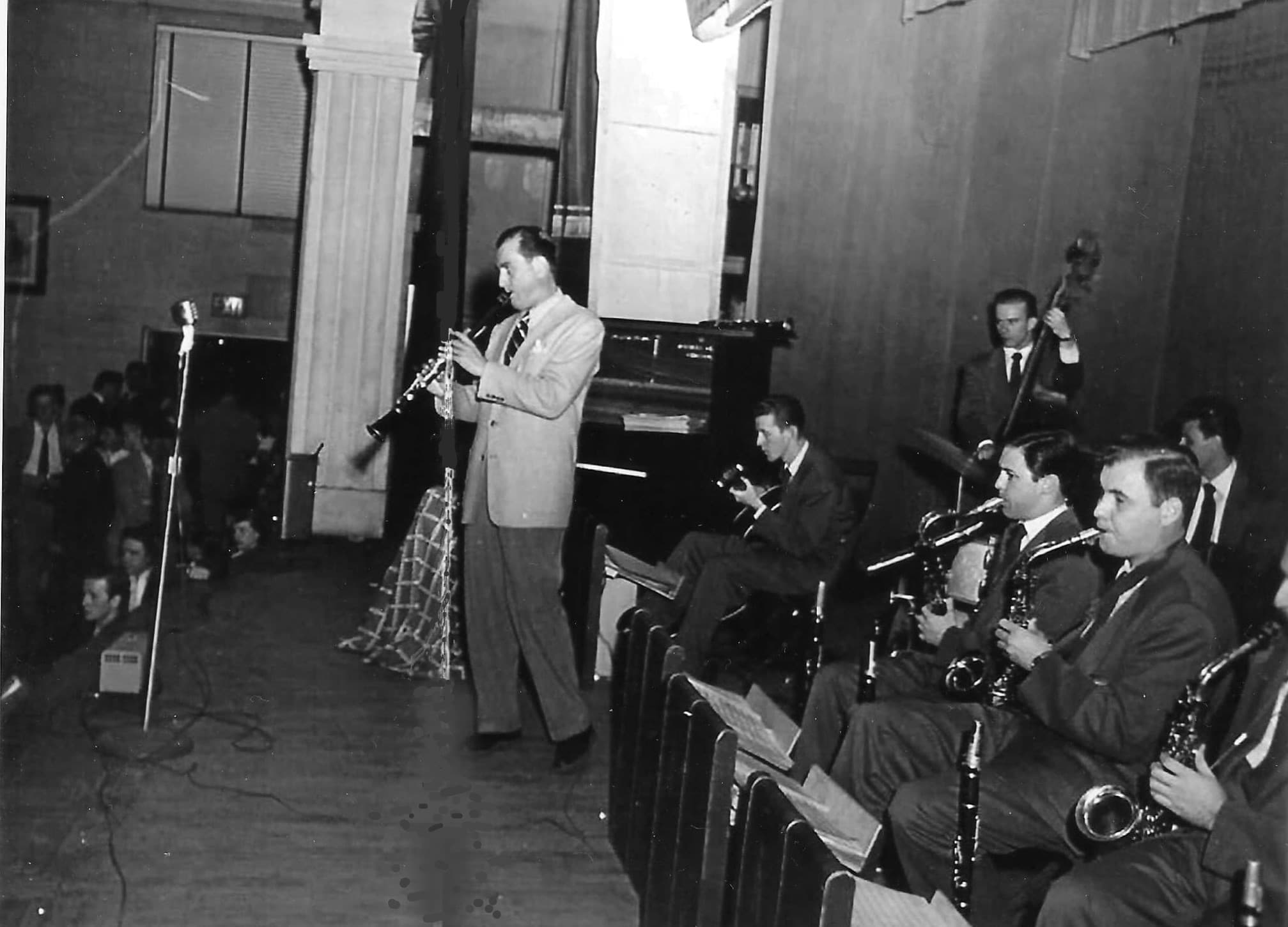
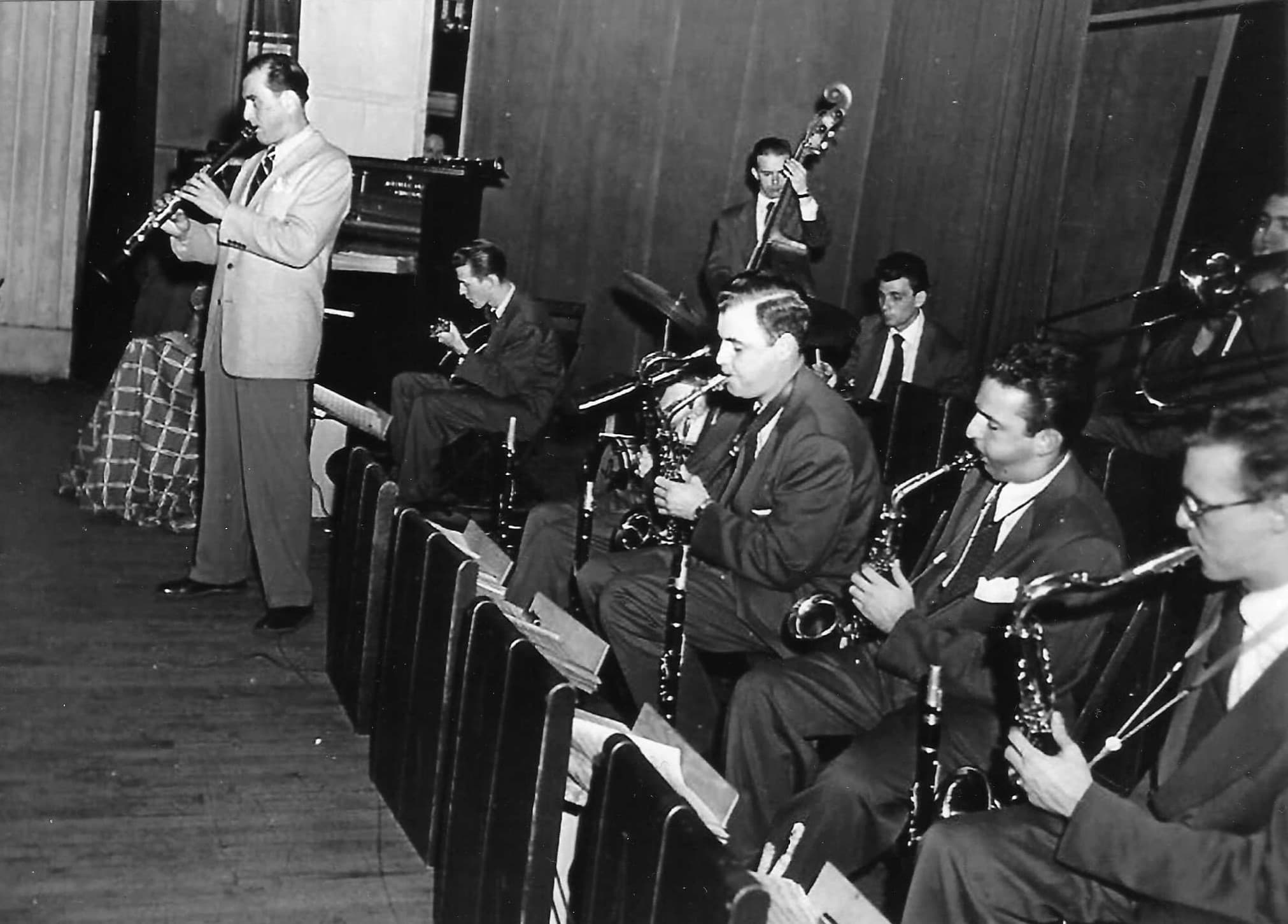
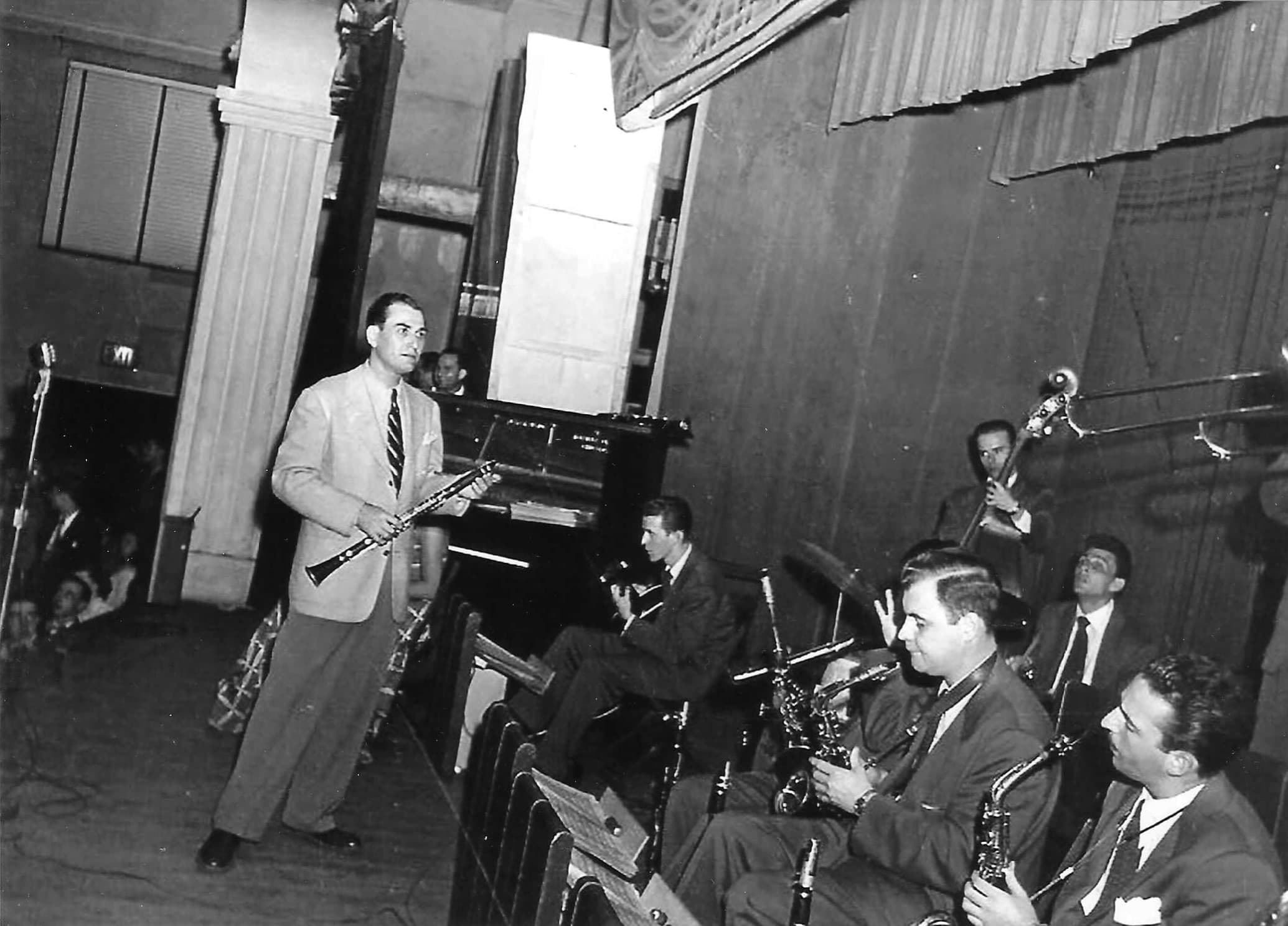
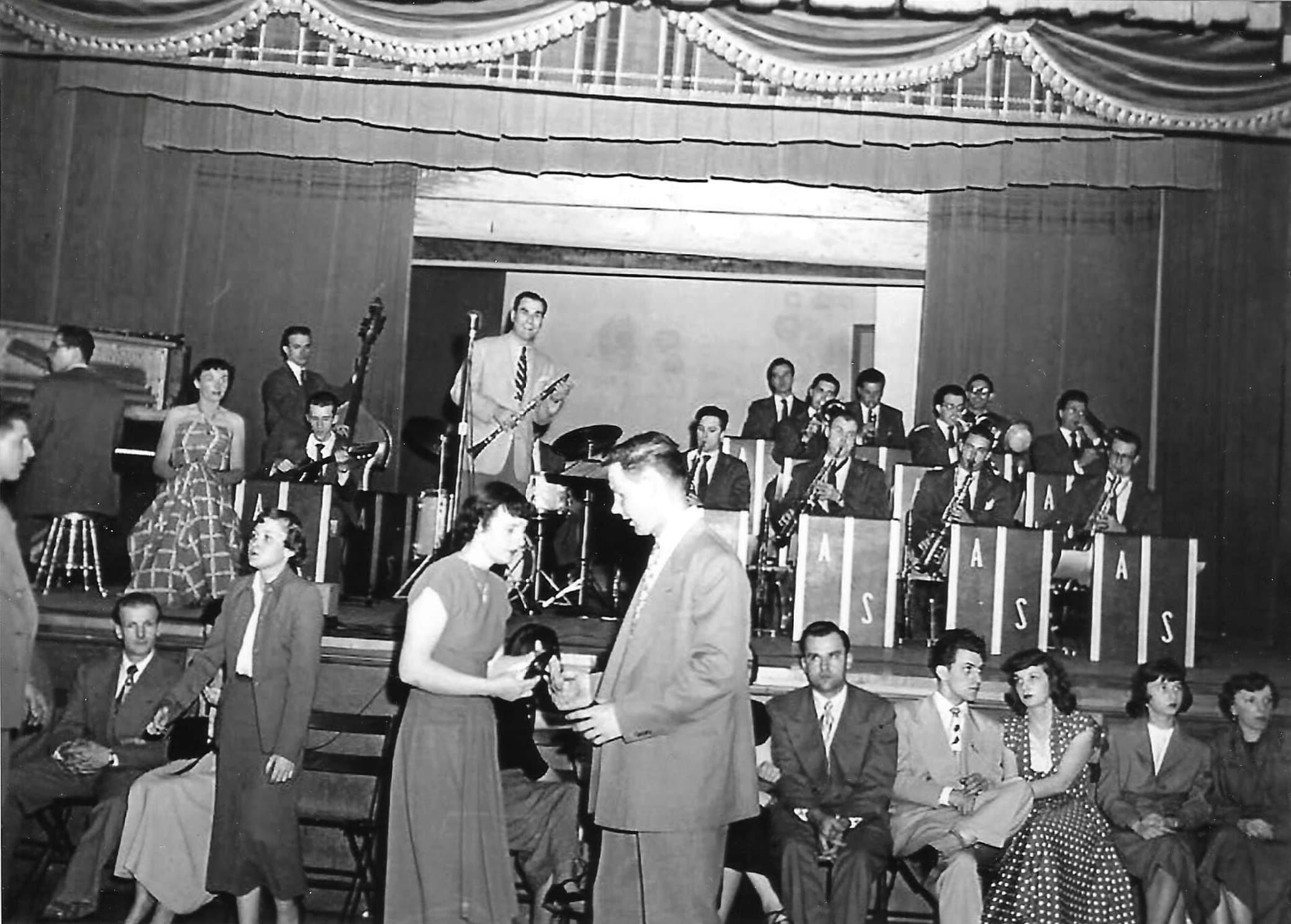
The two most famous orchestras that the Young Dancers Club hired were Herb Miller (Glen Miller’s brother) and Artie Shaw & His Orchestra, who played for a dance on May 21, 1950. The dance was held at the Ukrainian National Temple where, incidentally, hundreds of Polish American wedding receptions, dances, and parties were held throughout the 1930s through the 1960s. Edward Zajac, the club’s vice-president, sent a letter to Governor G. Mennen Williams and his wife, formally inviting them to attend the dance. However, the governor responded with regrets, stating that he had committed to attend a state-wide convention on that night.
The dance program from the May 21, 1950, dance featuring Artie Shaw lists the officers as follows: Edward (Whitey) Lecznar, President; Edward (Midge) Kuczynski, Vice-President; Edward (Rabbi) Zajac, Treasurer; and Stephen Kowalski, Secretary. The program also indicates that at that time, the club had 21 Honorary Members. The program book featured 24 pages of advertising by local sponsors in support of the dance.
The Young Dancers Club obtained a Certificate of Co-Partnership from the City of Detroit on March 7, 1950. The business address listed on the certificate was Edward Zajac’s address, which was 6435 Belfast, Detroit 10, Michigan. Edward Zajac was serving as vice-president of the club at that time. The other officers listed were Edward Lecznar (4040 – 20th Street, Detroit 10, Michigan), Stephen L. Kowalski (3413 Lockwood Street, Detroit 10, Michigan), and Edward Kuczynski (4853 Hedwig Street, Detroit 10, Michigan). The certificate was officially filed with the city clerk on March 17, 1950.
Nothing additional is known about the Young Dancers Club, but it appears that the organization remained in existence until sometime in the mid-1950s. What is known is that the club coalesced at a time and in a neighborhood in which Polish Americans had become innovators in many realms, including the arts, and the community was bursting with ideas and prospects.
Sources:
- Materials relating to the Young Dancers Club donated to the Society by Ms. Susan Kowalski Rzepka, daughter of Stephen Kowalski and niece of Edward (“Whitey”) Lecznar, were used to write this story. The materials were officially accepted into the Society’s archives on March 29, 2022, at the Society’s 87th board meeting. All photos and images in this article are from the collection. On July 22, 2025, the materials were returned to the donor at the family’s request.
- Gomulka Palazzolo, Laurie A. Horn Man: The Polish-American Musician in Twentieth-Century Detroit. The American Polish Music Society, distrib. Wayne State University Press, 2003.
- This article is published so that the history of this west side Detroit Polish American organization may be preserved and not lost to the ravages of time. A version of this article and the accompanying photos and images were previously published in the Society’s August 2023 e-Newsletter (Volume 98), Pp. 4-8.
Photos:
- 1. The Young Dancers Club program cover, ca. 1941
- 2. Young Dancers Club sweater patches, ca. 1941
- 3. “LETS DANCE WITH Young Dancers Club AT DOM POLSKI HALL” Ticket, Sunday, January 12, 1941
- 4. “LET’S DANCE with Young Dancers Club at West Side Dom Polski Hall” Ticket, June 16, 1946
- 5. “RAYMOND SCOTT ORCHESTRA AT THE SECOND ANNIVERSARY DANCE SPONSORED BY YOUNG DANCERS CLUB” Poster, Sunday, February 1, 1942
- 6. “Let’s Dance with the Young Dancers Club” Ticket, Sunday, May 21, 1950
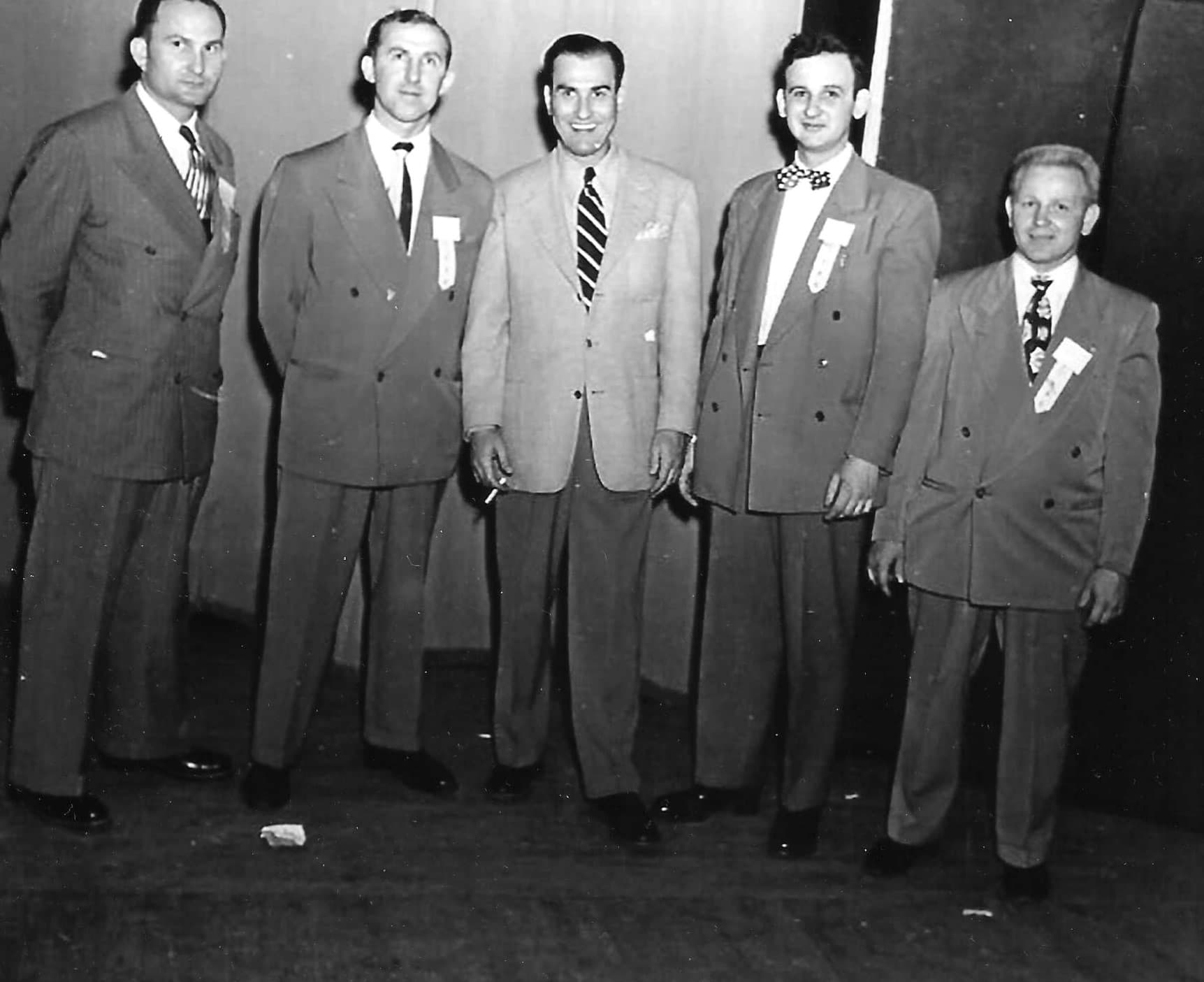
- 7. Artie Shaw (center) with (left to right) Edward (“Rabbi”) Zajac, Edward (“Whitey”) Lecznar, (Artie), Stephen Kowalski, and Louis C. Miriani (President of the Detroit City Council), at a May 21, 1950, at the Ukrainian National Temple on Detroit’s west side sponsored by the Young Dancers Club. The club held at least 12 dances in the nearly 15 years of its existence. Artie Shaw was born Arthur Jacob Arshawsky on May 23, 1910, in New York City and was known as the “King of the Clarinet.” He was most popular from 1935 through the 1940s. He was popular in the swing and jazz circuits and was also a composer and an actor. He died at age 94 on December 30, 2004, in Thousand Oaks, California. The Ukrainian National Temple at 4655 Martin, just north of Michigan Avenue, was a very popular venue for dances and wedding receptions in west side Detroit’s Polonia
- 8 – 11: Artie Shaw performing at the Ukrainian National Temple on May 21, 1950
- 12. Art work receipt for the May 21, 1950, Artie Shaw dance, March 27, 1950
- 13. West Side Courier ad receipt for the May 21, 1950, Artie Shaw dance, May 11, 1950
- 14. Vase receipt for the May 21, 1950, Artie Shaw dance, March 20, 1950
- 15. Money receipt books for the May 21, 1950, Artie Shaw dance, March 27, 1950
- 16. Beverage receipt for the May 21, 1950, Artie Shaw dance, May 24, 1950
- 17. Police protection receipt for the May 21, 1950, Artie Shaw dance, May 21, 1950
- 18. Special beer license for the May 21, 1950, Artie Shaw Dance, May 31, 1950
- 19. Liquor tax receipt, Young Dancers Club, September 30, 1950